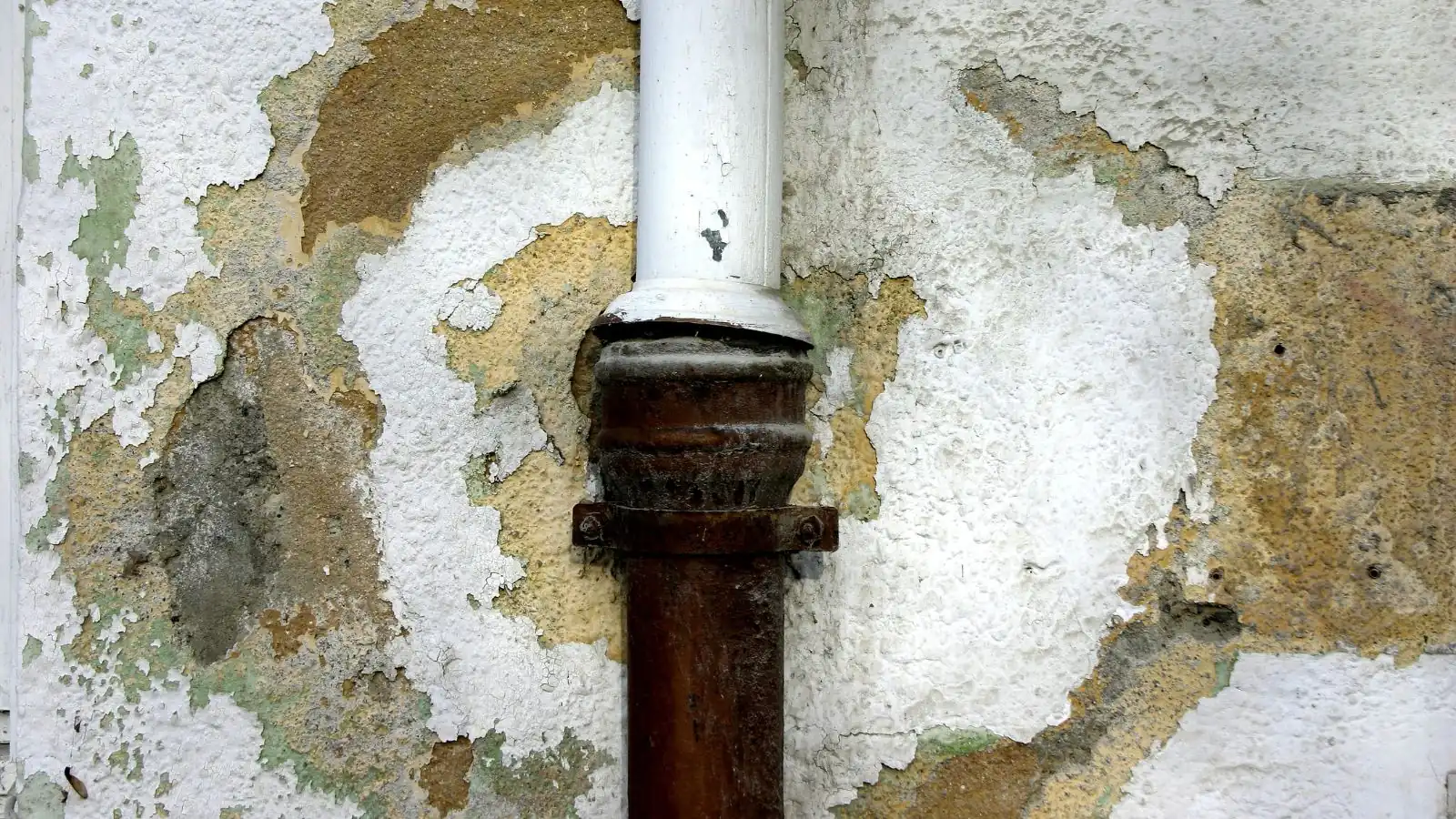
Wall and drywall water damage repair in Wisconsin Rapids deals with the board, insulation and framing that make up the interior walls. Drywall is paper and gypsum, and it softens, stains and crumbles when it stays wet. Water in a wall can come from a pipe inside it, a leak from above, a roof or window problem, or a flood from below that wicked upward.
This page covers walls. Ceilings that show the same signs are on ceiling water damage repair, wicking from a floor is on carpet water damage, and the drying equipment is on the structural drying page.
Signs of water inside a wall
Stains and discoloration
Brown, yellow or gray marks, often with a ring at the edge.
Bubbling or peeling paint
Moisture behind the surface pushes the paint away from the board.
Soft or crumbling board
Pressing on the drywall leaves a dent or the board flakes.
Warm or cold spots, and odor
A damp wall can feel cooler and smell musty.
A wall you are not sure about?
Dispatch can help you decide whether it needs attention now.
What to do first
If a wall is wet
- Shut off the water source, or the main valve if you cannot tell which line it is.
- Stay away from outlets and switches on a wet wall. If water is near wiring, call the utility or 911 about the electrical risk first.
- Move furniture away and photograph the wall, including the lower edge and any stains on the other side.
- Call (715) 227-0967 and describe the wall and the room.
Can wet drywall be saved?
Drywall that was wet briefly with clean water and that has not softened can sometimes be dried in place with air movers and cavity drying. Drywall that has softened, sagged or stayed wet for more than a day or two usually has to be cut out. Insulation behind the board holds water against the framing, so wet insulation is removed regardless.
Crews usually cut the wall in a clean line a little above the waterline so patches are straight and easy to finish. A common cut is two feet from the floor, but the crew uses moisture readings to decide where to stop. Behind the board, the studs and bottom plate are dried until the readings are normal.
Dry in place or cut out?
| Condition | Usual approach | Reason |
|---|---|---|
| Slightly damp, firm board | Dry in place | Board still has strength and moisture is low |
| Soft or sagging board | Cut out and replace | Wet gypsum loses strength and does not recover |
| Wet insulation | Remove and replace | Insulation keeps water against the framing |
| Contaminated water | Remove everything porous | Bacteria stay in board and insulation |
Older homes and wall materials
Many older Wisconsin Rapids homes were built with plaster over wood lath instead of drywall, especially in the west side neighborhoods that began as the separate city of Centralia before it merged with Grand Rapids in 1900. Plaster is heavier and slower to dry, and it can hold moisture for a long time.
Before any cutting, the crew checks the age of the home, since old paint and plaster can contain lead or asbestos, and those need proper testing before they are disturbed.
How wall repair is done
- 1
Find the source
The leak is traced and stopped by the right trade.
- 2
Open and remove
Wet board and insulation are cut out in straight lines.
- 3
Dry the cavity
Framing is dried with air movers and dehumidifiers, with readings taken each visit.
- 4
Patch and finish
New board is hung, taped, textured and painted to match.
What affects the price of wall repair
Wall area
A larger section of board and insulation means more removal and replacement.
Wall type
Plaster, textured walls and paneling need more finish work than flat drywall.
Water category
Contaminated water adds sanitizing and disposal steps.
Paint matching
Painting a whole wall for a uniform finish adds to the scope.
Call (715) 227-0967 to learn how a wall repair scope is built and priced.
Wall damage and insurance
Sudden water damage to walls is commonly covered, and the claim goes better with photos taken before cutting and a record of moisture readings. A slow leak that went on for months may be treated differently, so check your policy and talk to your agent before repairs.
Wall and drywall water damage questions
Can I just paint over a water stain?
Paint hides the stain but not the moisture. If the wall is still damp, the stain returns and mold can grow.
Do you test for lead or asbestos in older walls?
Testing is done by a qualified lab. Tell the crew the age of your home, and they will plan around it before cutting.
How high does the wall need to be cut?
The crew uses moisture readings and the waterline. A common cut is above the visible waterline so the patch is clean.
Is a bubble in the paint serious?
It means water is behind the surface. Find the source and check the wall.
How long before I can paint?
After the framing is dry and the new board has been taped and primed, which depends on the size of the repair.