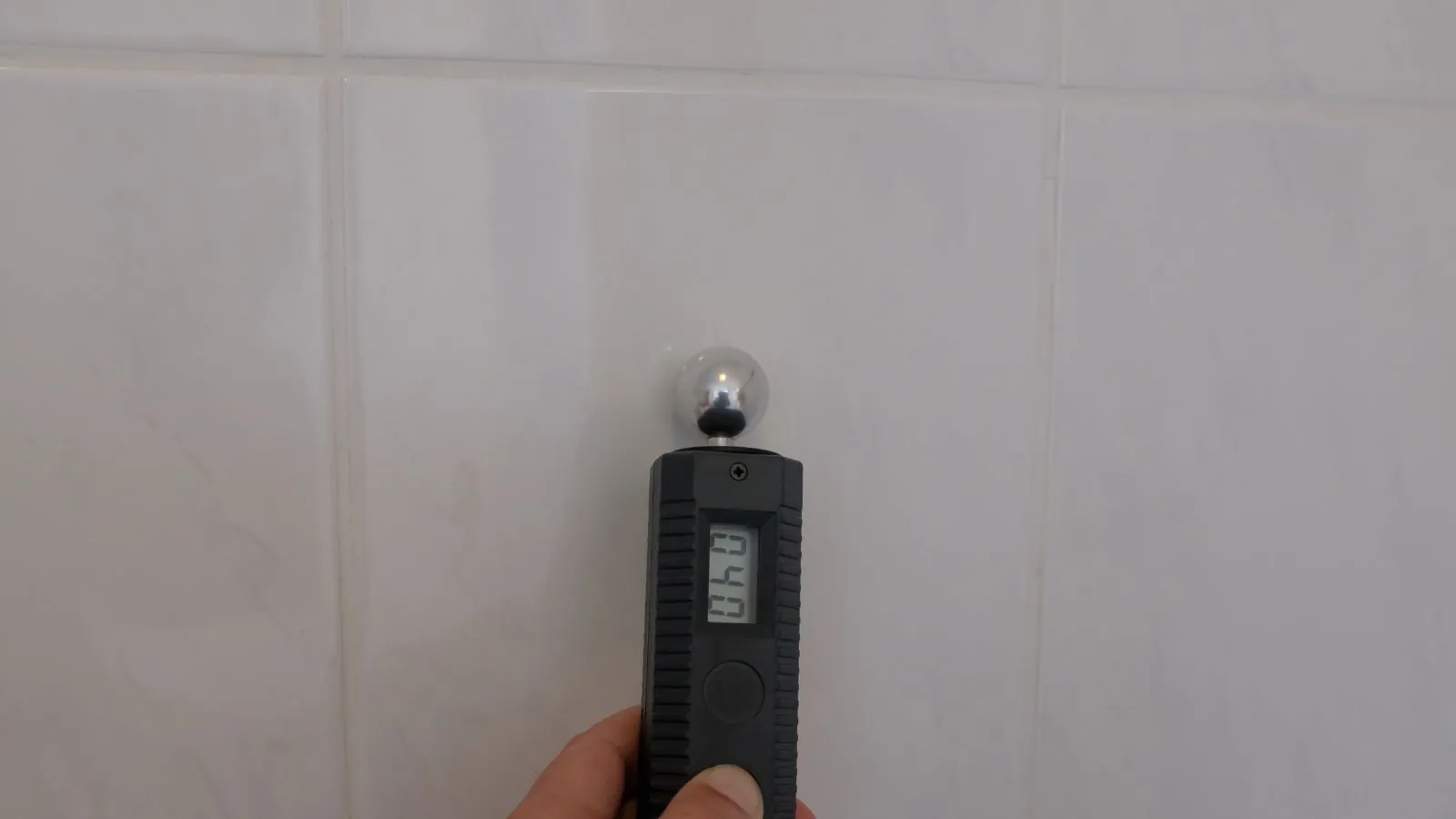
Structural drying and dehumidification in Wisconsin Rapids is the stage that follows water removal. After the standing water is out, the framing, subfloor, drywall and insulation still hold moisture that the eye cannot see. Drying equipment and readings take that moisture down to a normal level so mold, warping and odors do not follow.
This is the page for the drying science itself. The first step of pulling water off the floor is on the water extraction page, wet carpet is on carpet water damage restoration, and wet walls are on wall and drywall repair.
Why drying cannot be skipped
Materials do not dry evenly by themselves. Wood, drywall and insulation absorb water, and in a closed house the moisture simply spreads to the air and then to other surfaces. Without equipment the building can stay damp for weeks. That damp is what lets mold take hold, finishes lift and subfloors swell, so drying is treated as its own stage of the job and not as something the weather will handle.
Signs a building has not finished drying
A musty smell
Odor in a room that looked dry usually means moisture inside a wall or under flooring.
Cupping or swelling
Floors that rise at the edges or baseboards that swell are still taking up water.
Cold, clammy surfaces
Damp materials feel cooler and slightly damp to the touch.
Fogged windows
High indoor humidity after a loss is a sign the air is still carrying moisture.
Wondering if the house is really dry?
Dispatch can set up moisture mapping and explain what the readings mean.
What the drying equipment does
Air movers push moving air across wet surfaces so moisture leaves the material. Dehumidifiers pull that moisture out of the air so it cannot settle somewhere else. Specialty equipment can push warm dry air into a wall cavity or under a floor through small holes, so framing can dry without being torn out. The crew chooses the mix based on the materials and the room layout.
The ANSI/IICRC S500 standard calls for the drying goal to be set from the readings of similar dry materials in the same building. In practice the crew takes a reading in an unaffected area to find what normal looks like for your home, then dries the damaged materials until they match.
Drying methods compared
| Method | Best for | What to expect |
|---|---|---|
| Air movers and dehumidifiers | Open floors and exposed surfaces | Several days of running equipment and daily checks |
| Cavity drying through small holes | Wet wall bays and under cabinets | Warm dry air is pushed into the cavity and monitored |
| Floor mat systems | Hardwood and subfloors | Airflow is drawn from under the floor to pull moisture out |
| Removal and replacement | Materials that cannot be dried | Cut out, dispose and rebuild after the area is dry |
How moisture is measured and tracked
- 1
Map the damage
A moisture meter and a thermal camera show how far the water traveled, including behind walls.
- 2
Set the equipment
Air movers and dehumidifiers are placed to match the materials and the airflow of the building.
- 3
Check every visit
Readings are logged on a schedule so progress is clear and equipment can be moved as areas dry.
- 4
Confirm the dry standard
Equipment comes out only when the readings reach the target.
Weather in Wisconsin Rapids changes how drying works. In summer, humid air outdoors means closing the house and relying on dehumidifiers. In winter, cold air holds little moisture, and the heated air indoors can be dry, so humidity control often means keeping the heat steady and the building closed. A crew adjusts for the season instead of using one setting for every job.
What affects the price of structural drying
Materials
Dense materials like hardwood and plaster take longer than carpet and drywall.
Equipment days
More wet material means more air movers and dehumidifiers for more days.
Number of visits
Each monitoring visit takes crew time and updates the readings.
Access
Cavity drying through walls and floors needs more setup than open drying.
Call (715) 227-0967 to find out how a drying scope is built, including what the readings will be.
Drying records and your claim
Moisture logs show your insurer when the building was wet, what the readings were and when they reached normal. Ask for a copy of the daily readings and the equipment list, and keep them with your photographs. Check the policy and ask your agent what is required to document the loss.
Structural drying questions
How long does structural drying take?
Most jobs run for several days, but the number depends on the materials and the amount of water. Readings, not a calendar, decide when equipment can come out.
Is the noise and heat normal?
Yes. Air movers and dehumidifiers are loud and add warmth to a room. That is the equipment doing its work.
Can I turn the equipment off at night?
Do not turn it off without asking the crew. Drying depends on continuous operation, and stopping it extends the job.
Will drying stop mold?
It lowers the risk by taking away the moisture mold needs. Materials that stayed wet for a long time may still need to be removed.
Does drying use a lot of electricity?
Yes, it adds to the bill during the job. Ask your insurer how that is handled, and keep the equipment log.