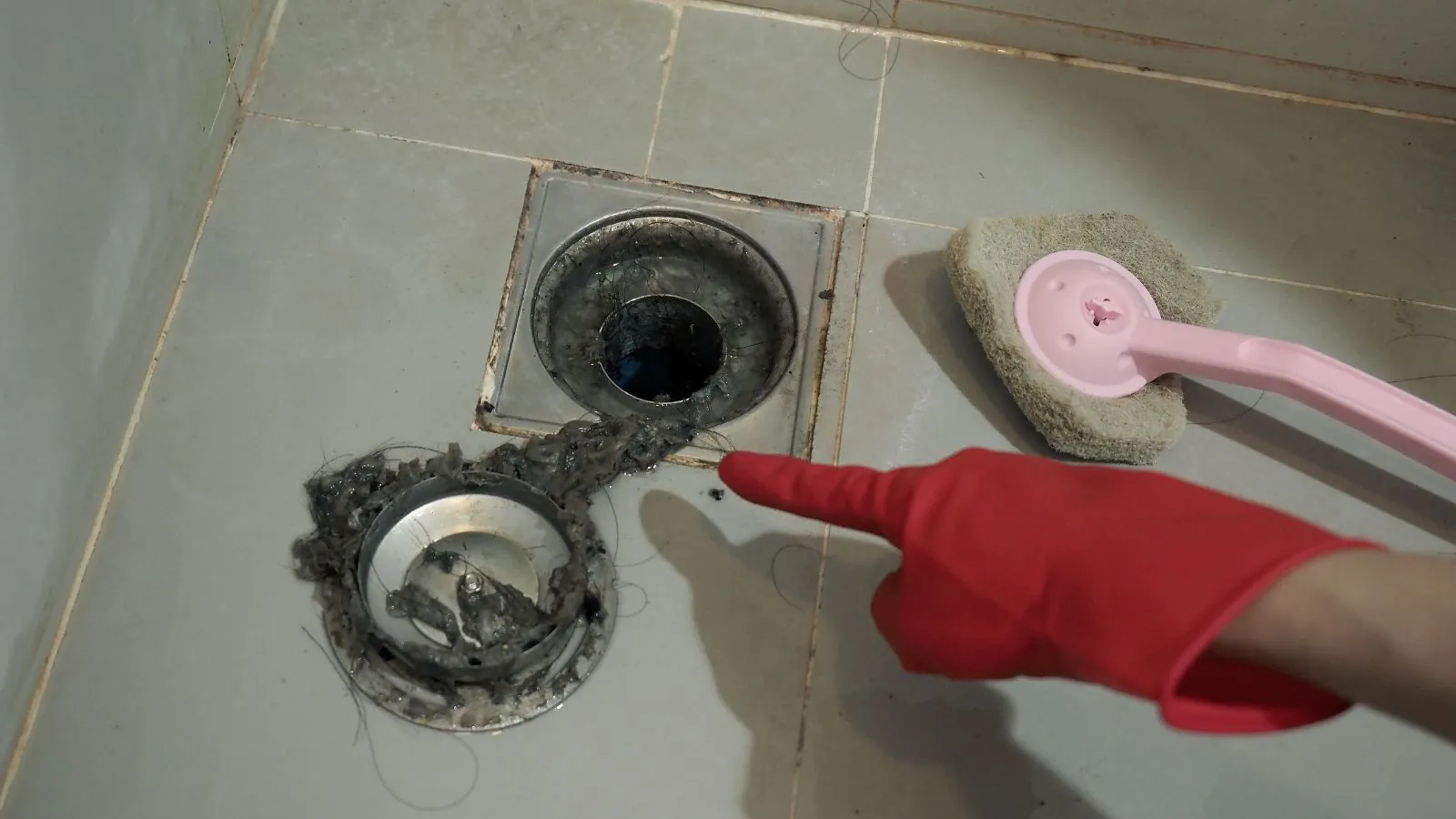
Sewage backup cleanup in Wisconsin Rapids deals with wastewater that comes up through floor drains, toilets or tubs. It is the most contaminated kind of water, called category 3 under the ANSI/IICRC S500 standard. The cleanup removes the water and every porous material it touched, then cleans and sanitizes what remains.
This page is about sewage. Flooding from rivers and rain is on flood damage cleanup, a wet basement is on basement water damage cleanup, and the drying after cleanup is on structural drying. The city's own guidance on storm sewer connections is summarized on the east side page.
A sewage backup is an emergency
Sewage carries bacteria and viruses and should not be handled without protection. Dispatch is open around the clock, and a backup at night is treated the same as one in the day. Call first and keep everyone out of the affected area.
If sewage is coming up
- Keep people and pets out of the room, and do not use sinks, toilets, tubs or the washer, which add water to the line.
- Do not touch the water, and do not walk through it. Wash your hands carefully if you have.
- Stay away from wet outlets and the panel. Call the utility or 911 about any electrical or gas risk.
- Photograph the area from a safe place, then call (715) 227-0967.
Signs of a sewage backup
Water from drains
Dirty water rising from a floor drain, tub or toilet.
Gurgling sounds
Bubbles or noise from drains when you flush.
A sewer odor
A strong, foul smell in a lower room.
Slow drains throughout
Multiple fixtures draining slowly at the same time.
Sewage in the house?
Call dispatch now and keep everyone out of the area.
Why sewers back up
| Cause | How it happens | Who fixes it |
|---|---|---|
| Clog in the home's line | Roots, grease or debris block the lateral | Plumber |
| Collapsed or broken pipe | An old line fails | Plumber or contractor |
| Municipal main problem | The public sewer is overloaded or blocked | The city utility |
| Heavy rain surcharge | Storm flow overwhelms the system | The city utility and the homeowner |
Wisconsin Rapids has a city sewer system, and heavy rain can overwhelm drains in many cities. Ask the city utility whether the main is involved, since that changes who is responsible. A plumber clears the home line, and restoration handles the contaminated water.
How sewage cleanup works
- 1
Protect and extract
The crew wears protective gear and removes the contaminated water.
- 2
Remove porous materials
Carpet, pad, drywall and insulation touched by sewage are removed and disposed of.
- 3
Clean and sanitize
Hard surfaces and framing are cleaned and treated.
- 4
Dry and rebuild
The structure is dried and rebuilt once readings are normal.
Items that cannot be cleaned, like soaked upholstery and cardboard, are usually thrown away. Hard surfaces and framing can be cleaned and sanitized. The crew documents what was removed and why so the insurer can review it.
What affects the price of sewage cleanup
Area reached
Larger areas need more removal and sanitizing.
Materials
Porous materials must be removed, while hard surfaces are cleaned.
Protective work
Safety gear and disposal add to the labor.
Rebuild scope
Repairs after drying are priced separately.
Dispatch can explain how scope and price are built for a sewage loss.
Sewage backup and insurance
The Wisconsin Office of the Commissioner of Insurance says sewer backup and sump pump overflow are not covered by a standard homeowners or flood policy and need a special endorsement. Check your policy, call your agent, and keep records of the damage and any discarded items.
Source
Coverage details follow the state insurance office's flood damage FAQ.
Sources: Wisconsin OCI: Flood Damage FAQ
Sewage backup questions
Do you handle sewage backup emergencies at night or on weekends in Wisconsin Rapids?
Yes. The line is open 24 hours a day. Keep people out of the area and call.
Can carpet be saved after a sewage backup?
Usually not. Porous materials that touched sewage are removed.
Is it safe to clean it myself?
It is not recommended. Sewage carries bacteria and viruses, and cleanup needs protective gear.
Who fixes the sewer line?
A plumber, or the city utility if the problem is in the public main.
How do I know if I have coverage?
Ask your agent about a sewer backup endorsement. It is separate from a standard policy.