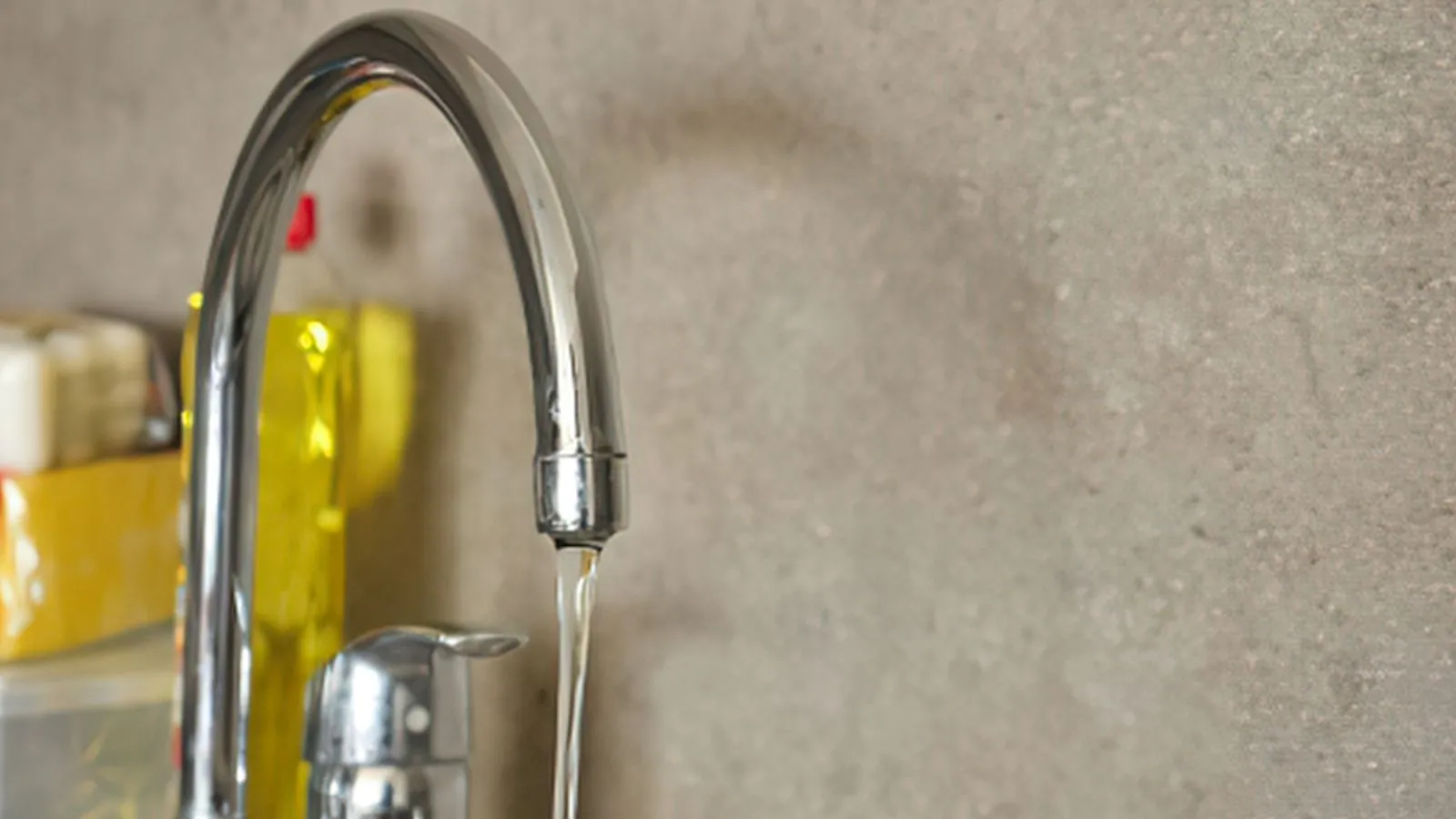
Kitchen water damage restoration in Wisconsin Rapids covers leaks and overflows from sinks, dishwashers, refrigerator ice makers, supply lines and disposals. The kitchen packs a lot of material into a small footprint: cabinets, a subfloor, flooring, drywall and often the room below. Water that starts under the sink can travel under the cabinet base and across the floor before anyone notices it.
This page is about the kitchen as a whole. A failing appliance is covered in detail on appliance leak water damage, a split supply line on burst pipe water damage, and the damp-floor repair on hardwood floor water damage.
Common sources of kitchen water damage
Under the sink
A slow drip from a trap or supply connection soaks the cabinet floor and can run for weeks.
Dishwasher
A failed hose, door seal or drain line spreads water under the cabinets and into the floor.
Refrigerator line
An ice maker or water dispenser line can leak behind the unit for a long time.
Disposal and drain
A loose connection or cracked housing sends water into the cabinet and the wall.
Kitchen floor wet or soft?
Describe the source to dispatch and get the first steps.
What to do in the first hour
If the kitchen is wet
- Close the supply valve to the fixture, or the main valve if you cannot find it.
- Unplug small appliances only if the outlet and floor are dry. If water is near a plug or the panel, call the utility or 911 about the electrical risk.
- Empty the cabinet under the sink, lift items off the floor and photograph everything before you move it.
- Call (715) 227-0967 and describe the source and the flooring.
How cabinets, floors and walls respond to water
Kitchen cabinets are often made from particleboard or medium density fiberboard, and those swell and crumble when they stay wet. Solid wood and plywood can often be dried, but a cabinet face may swell at the edges. The crew removes the toe kick and checks the cavity under the cabinets because water pools there out of sight.
Flooring decides how fast the damage shows. Vinyl and tile can hide water in the seams and in the subfloor. Hardwood cups and buckles. Laminate swells at the edges. In every case the subfloor needs to be checked with a moisture meter. A leak that started months ago can have rotted the cabinet base, which is why the crew checks beyond the visible stain.
Kitchen materials compared
| Material | When water hits | Usual outcome |
|---|---|---|
| Particleboard cabinet | Swells and loses strength | Often replaced |
| Plywood cabinet | Can dry if caught early | Dried and sometimes refinished |
| Vinyl or laminate floor | Water enters the seams | Lifted and replaced if swollen |
| Hardwood floor | Cups and buckles | Dried or replaced, see the hardwood page |
How kitchen restoration is done
- 1
Stop and extract
The source is shut off and standing water is removed.
- 2
Open the cavities
Toe kicks, base cabinets and wet drywall are opened so air can reach the moisture.
- 3
Dry and monitor
Air movers, dehumidifiers and readings continue until the materials reach normal.
- 4
Rebuild
Cabinets, flooring, drywall and paint are repaired or replaced, matching the existing kitchen.
A second floor or finished basement below the kitchen can show a stain from a kitchen leak, so the crew checks the room below. The drying equipment plan is explained on the structural drying page.
What affects the price of kitchen restoration
Source of the leak
Clean supply water is simpler than a drain line or dishwasher waste.
Cabinets involved
Particleboard bases that swell must be replaced and matched.
Flooring type
Hardwood, tile, vinyl and laminate dry or fail differently.
Rebuild scope
Countertops, backsplash and plumbing disconnects add to the repair work.
Dispatch can explain how scope and price are built for a kitchen like yours before any work begins.
Kitchen leaks and insurance
A sudden pipe or appliance failure is often covered, while a slow leak that went on for months may be treated differently. Photograph the source, the cabinets and the floor, and keep the failed part. Show it to your adjuster before you throw it away. Ask your insurer before you replace cabinets.
Kitchen water damage questions
Can swollen cabinets be saved?
Plywood and solid wood often can. Particleboard that has swollen usually cannot, so the crew checks the material before deciding.
How do I know if water is under the floor?
A soft spot, a musty smell or a cupped floor suggests moisture below. A moisture meter confirms it.
Do I need to remove the dishwasher?
Often it needs to be pulled out so the floor and cabinet base can be dried and checked.
Who fixes the leak itself?
A plumber or appliance technician fixes the failed part. Restoration handles the water and the damage it caused.
Is my kitchen usable during drying?
Usually yes, in part. The crew explains which areas must stay clear while the equipment runs.