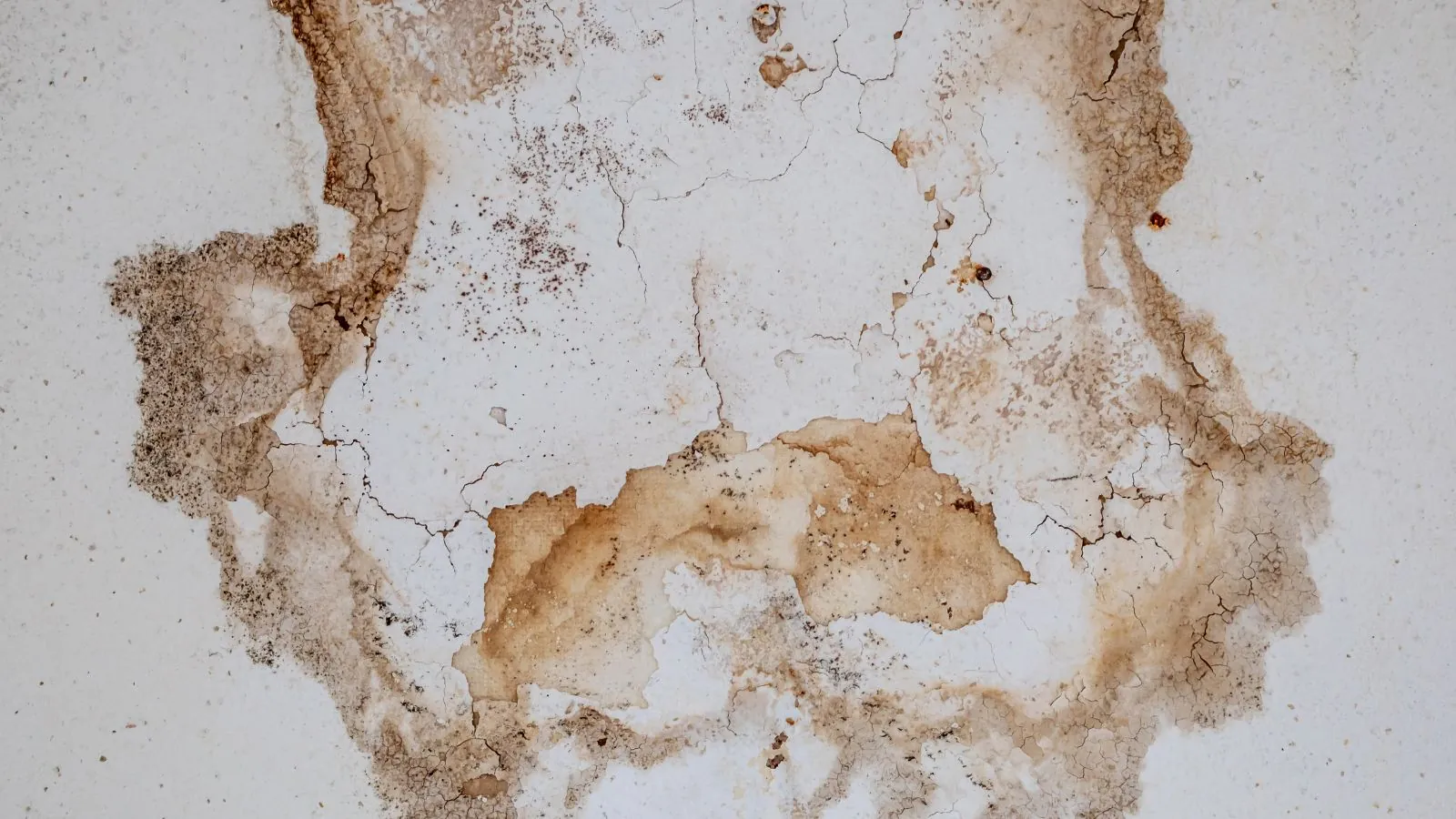
Storm water damage cleanup in Wisconsin Rapids covers water that entered during heavy rain, wind, melting snow or ice. It may come through a roof, a window, a door, a vent or a foundation wall. Storm water often carries dirt and debris, so it is treated carefully.
This page is about storm entry points. Rising rivers and groundwater are on flood damage cleanup, roof leak damage to ceilings is on ceiling water damage repair, and basement seepage is on basement water damage cleanup.
Storm water in the house is an emergency
Storm damage often arrives with power outages and blocked roads, so calling early matters. Dispatch is open 24/7, and the person on the line can talk you through the first steps. In a large storm many homes need help at once, and dispatch explains the situation honestly.
If storm water is inside
- Stay away from downed lines, standing water near outlets and areas with a sagging ceiling.
- Move people and belongings out of the wet area, and cover openings if it is safe, using a tarp on an interior side or plastic sheeting.
- Do not climb on a wet or icy roof. Call a roofer for the opening.
- Photograph the damage, then call (715) 227-0967.
Signs of storm entry
Wet ceilings and walls
Stains or dripping after a storm, especially near windows or the roofline.
Wet window frames and sills
Water that blew through gaps or failed seals.
Water at doors
Pooling at thresholds and garage doors.
Damp insulation and attic
Moisture around vents, chimneys and flashing.
Storm damage you cannot reach?
Describe it to dispatch and get steps for protecting the house.
Heavy rain in Wood County
The State Climatology Office lists a Wood County record of 5.17 inches of rain in one day, at Babcock on September 22, 2016. A storm that drops that much rain can overwhelm gutters, sump pumps and roof drainage in a short time. Even smaller storms push water sideways in strong wind, and a roof that is fine in a normal rain can leak in a driving one.
Source for the rainfall figure
The record is from the UW-Madison State Climatology Office Wood County climate profile.
Sources: Wood County climate profile
Where storm water gets in
| Entry point | Typical cause | Who fixes the opening |
|---|---|---|
| Roof and flashing | Missing shingles or failed seals | Roofer |
| Windows and doors | Worn seals or gaps | Window or door contractor |
| Foundation wall | Cracks and poor grading | Foundation or drainage specialist |
| Gutters and downspouts | Clogs or poor discharge | Gutter contractor or the homeowner |
How storm cleanup works
- 1
Make safe
Power, ceilings and structure are checked.
- 2
Extract
Standing water is removed.
- 3
Remove and dry
Wet insulation and drywall are removed, and the structure is dried.
- 4
Repair
Interior finishes are repaired once dry, after the opening is sealed.
Storm water may be treated as contaminated, so the crew checks which category it falls under before deciding what can be dried. The drying approach is on the structural drying page.
What affects the price of storm water cleanup
Entry points
More openings usually mean more rooms affected.
Water quality
Runoff that carries dirt adds cleaning and removal.
Roof or attic involvement
Wet insulation and attic work add to the scope.
Rebuild scope
Interior repairs depend on how much material was removed.
Dispatch can explain how scope and price are built after a storm.
Storm damage and insurance
Wind-driven rain through a damaged roof or window is often covered, while surface flooding is commonly excluded. Photograph the opening and the interior, keep receipts for temporary protection and ask your insurer before making permanent repairs.
Storm water damage questions
Do you handle storm water damage emergencies at night or on weekends in Wisconsin Rapids?
Yes. The dispatch line is answered every hour of every day, though large storms can mean many calls at once.
Do you fix the roof?
A roofer repairs the opening. Restoration handles the water and the damage inside.
Is storm water clean?
Often not. It can carry dirt and debris, so crews treat it with care.
Should I cover the opening myself?
Only if it is safe. Never climb on a wet or icy roof.
How long should I wait to file a claim?
Call your insurer promptly and keep records of what you did to limit the damage.