Wisconsin Rapids · Wood County · Central Wisconsin
24/7 Dispatch · (715) 227-0967
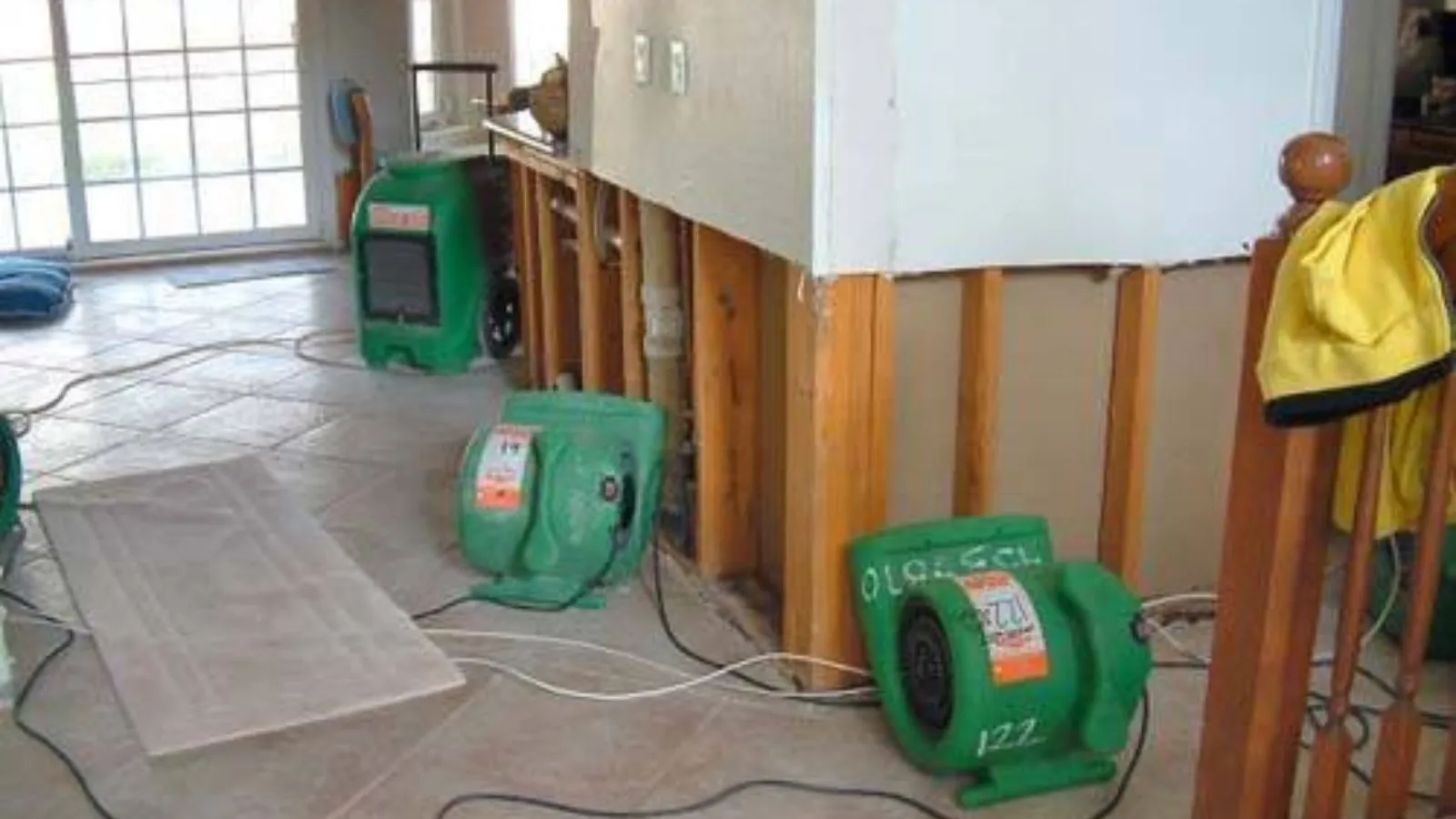
Green air movers drying a room with opened wall cavities after water damage in a Wisconsin Rapids, WI home
24/7 Emergency Dispatch

Water Damage Restoration in Wisconsin Rapids, WI

Emergency water damage restoration and repair for Wisconsin Rapids and the towns around it. A written scope of work, photo documentation for your claim, and a dispatch line that answers day and night.

  • Licensed and insured
  • Scope and price explained first
  • 24/7 dispatch

Dispatch Snapshot

Dispatch line24/7
Home baseWisconsin Rapids
Towns served6
Water damage services19
🛡️Licensed and insured
📋Scope and price explained before work starts
⏱️24/7 emergency dispatch
📍Serving Wisconsin Rapids and nearby towns

Water Spreading Through Your Home Or Business?

The dispatch line is answered 24 hours a day, every day of the year, including weekends and holidays.

☎ (715) 227-0967

Water damage restoration in Wisconsin Rapids, WI means stopping the water, removing what is standing, drying the structure until moisture readings return to normal, and repairing what could not be saved. Wisconsin Rapids Water Damage Pros dispatches licensed and insured restoration crews around the clock to homes and businesses in Wisconsin Rapids, Port Edwards, Rudolph, Nekoosa, Vesper and Plover.

Time works against you with water. Wet drywall, carpet pad and framing keep absorbing moisture the longer they sit, and the first 24 to 72 hours often decide whether a loss stays a drying job or becomes a rebuild. This page explains what happens in that window, how pricing and insurance usually work, and which of our 19 service pages matches your situation.

Water damage repair in Wisconsin Rapids starts in the first 24 to 72 hours

Most people call in the middle of a mess, so the first conversation is short and practical. Dispatch asks where the water is coming from, how far it has spread, whether the ceiling or the electrical panel is involved, and whether the water looks clean or contaminated. Those answers decide which kind of crew and equipment to send and whether you should wait outside while it is safe to do so.

On site, a crew finds the wet areas with moisture meters and thermal imaging instead of trusting what the eye can see. Water often travels behind baseboards, under cabinets and through the cavity below a floor, so a room that looks dry can still be holding moisture. The crew then extracts standing water, removes materials that cannot be dried in place, and sets air movers and dehumidifiers for the days that follow.

If water is spreading right now

  1. Stop the source if you can do it safely. Close the main water valve, or the valve behind the toilet, washing machine or water heater.
  2. If water has reached outlets, appliances or the electrical panel, stay out of the room. Cut power only if you can reach the panel while standing on dry floor, and call the utility or 911 about any electrical or gas risk first.
  3. Lift valuables, rugs and electronics out of the wet area and photograph the damage before you move much.
  4. Call (715) 227-0967 and describe what you see. The line is open 24/7.
Water Damage Services

What We Handle In Wisconsin Rapids

Pipes and plumbing

🔧

Burst Pipe Water Damage

View service →
❄️

Frozen Pipe Water Damage

View service →
🔥

Water Heater Leak Cleanup

View service →
🧭

Slab Leak Water Damage

View service →

Appliances and HVAC

🍳

Kitchen Water Damage

View service →
🧺

Appliance Leak Water Damage

View service →
🌬️

AC Leak Water Damage

View service →

Weather and building envelope

🌊

Flood Damage Cleanup

View service →
🏠

Ceiling Water Damage Repair

View service →
⬇️

Basement Water Damage

View service →
⛈️

Storm Water Damage

View service →
🕳️

Crawl Space Water Damage

View service →

Water removal and drying

💧

Water Extraction

View service →
🌀

Structural Drying

View service →
🚽

Sewage Backup Cleanup

View service →

Floors and walls

🪵

Hardwood Floor Water Damage

View service →
🧶

Carpet Water Damage

View service →
🧱

Wall and Drywall Water Damage

View service →

Commercial

🏢

Commercial Water Damage

View service →
Why Call Us

What Sets This Dispatch Apart

1

24/7 dispatch

Calls are answered at night, on weekends and on holidays, because water does not keep office hours.

2

Scope and price first

You hear what the work involves and how the price is built before any work begins.

3

Licensed and insured

Restoration professionals who carry the licensing and insurance that water damage work calls for.

4

Documented damage

Photos, moisture readings and written notes that your insurer can review.

From the first call to a finished repair

Restoration happens in a fixed order, and skipping a stage is how problems come back. The usual sequence starts with water removal, moves through drying and monitoring, and ends with rebuilding the walls, floors and ceilings that had to come out. Our service pages describe the stages for each type of loss, and the structural drying page explains the equipment and the monitoring in detail.

  1. 1

    Call dispatch

    Describe the damage and the water source. Say if sewage, electricity or a ceiling collapse is involved.

  2. 2

    Assessment

    Moisture mapping and a written scope of work, with the price drivers explained before work begins.

  3. 3

    Mitigation

    Water extraction, removal of unsalvageable materials, and drying equipment placed and monitored.

  4. 4

    Restoration

    Drywall, flooring, trim and paint repaired once readings show the structure is dry.

Many people hear the words mitigation and restoration used as if they mean the same thing. Mitigation is the emergency part, meaning stopping loss and drying. Restoration is the rebuilding that follows, and an itemized estimate should keep the two apart so you can see what each one costs.

What affects the price of water damage restoration

No honest company can quote a number from a phone description alone, because the same burst pipe can be a one-room drying job or a whole-floor rebuild. What a crew can do is explain the factors that move the price, so the estimate on site makes sense when you see it. These are the five that matter most.

Water category

Clean supply water, grey water and sewage are handled differently, and contaminated water adds removal and sanitizing steps.

Area affected

The number of rooms and the square footage of wet floor, wall and ceiling decide how much equipment and labor the job needs.

Materials involved

Carpet, hardwood, drywall, plaster and insulation each dry or fail differently, and some must be removed.

Drying time

More wet material means more days of air movers and dehumidifiers, with readings checked at each visit.

Rebuild scope

Drywall, flooring, cabinetry and paint after drying are priced separately from the emergency work.

Want a number for your own loss? Call (715) 227-0967 and explain what happened. The crew will walk you through how the price is built for your situation.

Insurance Claims

Water damage and your insurance policy

Documentation your insurer can review

The crew photographs the damage, logs moisture readings and writes down what was removed and why. That record helps you and your adjuster agree on the scope, whichever way the claim goes.

☎ (715) 227-0967

How a policy responds depends on where the water came from, so read your policy or call your agent before you assume anything. The Wisconsin Office of the Commissioner of Insurance explains it in simple terms.

Water that comes from the top down, such as a burst supply line or a leak through the ceiling, is generally the kind a standard homeowners policy covers. Water that comes from the bottom up, such as foundation seepage or overland flooding, generally needs a separate flood policy.

The same office points out that sewer backup and sump pump overflow are not covered by either a standard homeowners policy or a flood policy, and that a special endorsement is needed for that.

It also advises people to limit further damage, photograph everything, keep damaged items until the adjuster agrees, and avoid permanent repairs until the insurer approves. Emergency drying is the part you are expected to start right away, so the call to a crew and the call to your agent should happen the same day.

Where this guidance comes from

The coverage summary above follows the Wisconsin Office of the Commissioner of Insurance flood damage FAQ. Always check your own policy and ask your insurer, because wording and endorsements differ from one policy to the next.

Sources: Wisconsin OCI: Flood Damage FAQ

Local conditions behind water damage in Wisconsin Rapids

The Wisconsin River runs through the middle of the city, and high water is a regular part of life near it. In April 2026 the river overtopped its banks in several places and parks near the water flooded.

The mayor said at the time that the river was lower than it had been in the past couple of decades, but that high groundwater could still bring water into basements close to the river. If you live near Lyon Park, Robinson Park or the river bank, that is the time of year to check your sump pump and your floor drain.

Cold is the other regular cause. The Wisconsin State Climatology Office reports an average of 33 nights per year at or below 0 degrees Fahrenheit in Wood County for 2006 to 2025. The first freeze of fall comes on average around October 7 and the last of spring around May 4, for 1995 to 2024.

That is a long season in which a supply line in an exterior wall or an unheated space can freeze and split. Our frozen pipe page covers what happens at the thaw.

Plumbing of any age can fail, and decades-old supply lines and cast iron drains are the usual suspects whenever a new stain appears, so call about it early. The west side was the separate city of Centralia until it merged with Grand Rapids in 1900, and the Centralia page covers that side of the river.

Sources for these local figures

Climate figures come from the UW-Madison State Climatology Office Wood County climate profile. The April 2026 river conditions come from a local radio report quoting the mayor. Parks and the Centralia merger date are from city and public records.

Sources: Wood County climate profile, WRCO report, April 2026

Where We Work

Service Areas Around Wisconsin Rapids

Dispatch covers Wisconsin Rapids and five nearby places that each have their own page. Port Edwards and Nekoosa sit south along the river. Rudolph lies northeast and Vesper northwest, both small Wood County villages. Plover is east in Portage County, a different county with its own permit office.

Calls also come from rural addresses around Blenker and Bancroft, and from people in Stevens Point and Marshfield who are looking for a crew. Dispatch will say plainly whether an address is within reach, so a short call settles the question.

Inside The City

Neighborhoods We Serve

Inside the city, dispatch works by street address and not by map boundary. Three areas have their own pages because each has its own landmarks and its own relationship to the Wisconsin River. Downtown Wisconsin Rapids is the riverfront center around the Grand Avenue and Jackson Street bridges. The East Side is the former city of Grand Rapids on the east bank. Centralia is the west bank, once a separate city until the two merged in 1900.

Questions about water damage in Wisconsin Rapids

How quickly does water damage need attention?

As soon as you can safely call. Standing water spreads into walls and floors, and wet drywall, carpet pad and framing begin to break down the longer they stay wet. Mold growth becomes a risk if materials stay damp, which is why drying starts right after the water is removed.

Do you handle water damage emergencies at night or on weekends in Wisconsin Rapids?

Yes. The dispatch line is staffed 24 hours a day, every day of the year. Call at 2 a.m. or on a holiday and describe the water, and dispatch will arrange a crew based on what is available and where you are.

How much does water damage restoration cost in Wisconsin Rapids?

It depends on the water category, the area affected, the materials involved, the drying time and the rebuild scope. A crew explains those factors and the scope of work before work begins, so you see how the price is built for your loss.

Will my homeowners insurance cover water damage?

Often, when the water was sudden and accidental, such as a burst pipe. Gradual leaks and flood damage are commonly excluded, and sewer backup needs a special endorsement. Check your policy and ask your insurer, and photograph the damage before anything is moved.

Do you only handle emergencies, or also the repairs afterward?

Both. After drying, the same job can continue with drywall, flooring, trim and paint, which keeps one scope of work from the first visit to the finished room. You can also use the drying phase alone if you prefer another contractor for the rebuild.

What is the difference between a Wisconsin Rapids water damage company and a plumber?

A plumber fixes the pipe or fixture that leaked. A restoration crew removes the water the leak left behind and dries and repairs what it soaked. Most losses need both, in that order, and dispatch can tell you whether to call a plumber first.

Water Is Spreading Right Now?

Call now. A restoration crew can be dispatched around the clock to Wisconsin Rapids and nearby towns.

☎ (715) 227-0967

Our Coverage Area Around Wisconsin Rapids, WI

☎