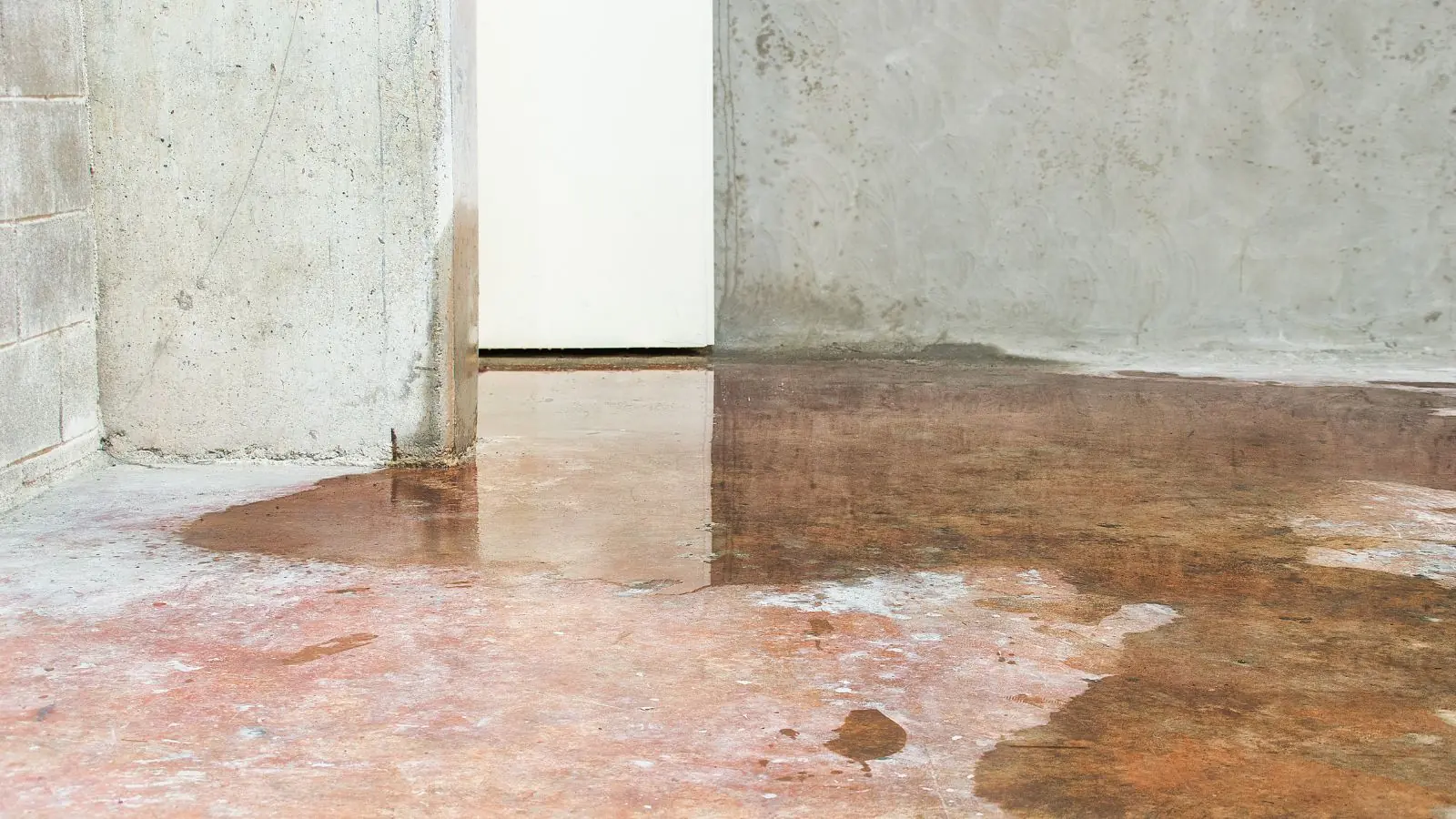
Commercial water damage restoration in Wisconsin Rapids covers shops, offices, restaurants, clinics, multi-unit buildings and warehouses where water has interrupted the business. The work is the same science as a home loss, but the stakes are different. Customers, staff, stock and a lease all depend on how quickly the space is usable again.
This page is about businesses and multi-tenant buildings. Water in a single-family home is covered on the water extraction page and the structural drying page, and a sprinkler or supply line failure in a unit sits under burst pipe water damage. Shops and offices near the river are also covered on the downtown Wisconsin Rapids page.
When a commercial water loss is an emergency
It is an emergency when water reaches stock, equipment, electrical gear or an exit, or when other tenants are affected. Dispatch is open 24/7, which matters for a business that discovers a leak on a Sunday night before a Monday opening. The first call should cover the building type, the water source and any systems affected.
First steps for a business owner
- Close the water supply at the main valve or the affected branch, and tell building management.
- Make electrical areas safe. If water has reached panels, registers or outlets, keep staff out and call the utility or 911 for any electrical or gas risk.
- Move inventory, files and electronics out of the wet area and photograph everything before moving it.
- Call (715) 227-0967 and tell dispatch what kind of operation is affected.
Signs of a commercial water problem
Stained ceiling tiles
Drop ceilings often show a leak first, and the water can travel far from the source.
Wet floor near a wall
Moisture at the base of a wall can come from a broken line in a chase or an adjoining unit.
Odors in a closed space
A musty smell in a stockroom or back office suggests moisture in the flooring or cavity.
A tenant calls about water
In multi-unit buildings the leak is often next door or upstairs.
Need the space open again?
Tell dispatch what has to stay in operation and the crew will plan around it.
How commercial restoration is planned
A crew starts by finding out what the building has to keep doing. A restaurant needs its kitchen, a clinic needs clean access, and a retail space needs a floor customers can use. That drives where equipment is placed, which areas are isolated and what order the work follows.
Large floor areas call for more equipment and better logistics, so the crew counts air movers and dehumidifiers against the square footage and the materials. Commercial carpet tile, vinyl composition tile, concrete slabs and suspended ceilings each respond differently to water. The drying approach follows the ANSI/IICRC S500 standard, and the written scope shows the zones and the equipment placed in each.
Homes and commercial buildings compared
| Factor | Single-family home | Commercial building |
|---|---|---|
| Priority | Return to normal living | Return to normal operation and revenue |
| Scale | A few rooms | Large open floors and multiple tenants |
| Documentation | Insurance claim records | Claim records plus lease, landlord and tenant notices |
| Scheduling | Around the household | After hours or in phases to keep the business running |
Local buildings and what they mean for water loss
Wisconsin Rapids has retail, healthcare, education and light industry spread along the river and the main corridors. Examples include Riverview Hospital, Mid-State Technical College, Lincoln High School and the Rapids Mall on the west side, which was built in the 1970s.
Large buildings of that age often have long runs of supply and drain lines inside walls and ceilings, so a small leak can travel before anyone sees it. Ask your building manager where the water shutoffs are before you need them.
The city says permits are required for remodeling or alterations and that commercial projects use a plan review process, so rebuilding work after a loss may need approval. Ask the city Community Development office what applies to your building.
What affects the price of commercial restoration
Floor area
Square footage sets the amount of equipment, the labor and the length of the drying period.
Materials
Carpet tile, VCT, concrete and ceiling tile each dry or fail differently.
Operations
After-hours work and phased access change crew time and sequencing.
Water category
Contaminated water from a drain or sewer line adds removal and sanitizing steps.
Rebuild scope
Repairs for ceilings, walls and flooring are priced after the building is dry.
Dispatch can explain how scope and price are built for your building before any work begins.
Commercial water damage and insurance
A commercial property policy and a tenant policy can respond in different ways, and the lease may say who must report and who must repair. Gather the policy, the lease and the building manager's contact, and keep dated photos and the moisture readings the crew gives you. Check coverage with your agent, because water from a sudden break is treated differently from flood or sewer backup.
Commercial water damage questions
Do you handle commercial water damage emergencies at night or on weekends in Wisconsin Rapids?
Yes. Dispatch answers around the clock, and many commercial losses are discovered after hours. Call and describe the building and the water.
Can work be scheduled around business hours?
Often, yes. The crew can phase the work, isolate zones and use after-hours time where that keeps the business open.
Do you work in multi-tenant buildings?
Yes. These losses involve several units and a landlord, so the scope identifies each affected area and the source.
Who pays when water comes from another unit?
That depends on the lease and the cause. Document the damage in your unit and send it to your property manager and your insurer.
Do you restore stock and equipment?
The focus is the building. For stock and equipment, ask the crew what can be moved, and check your policy for contents coverage.