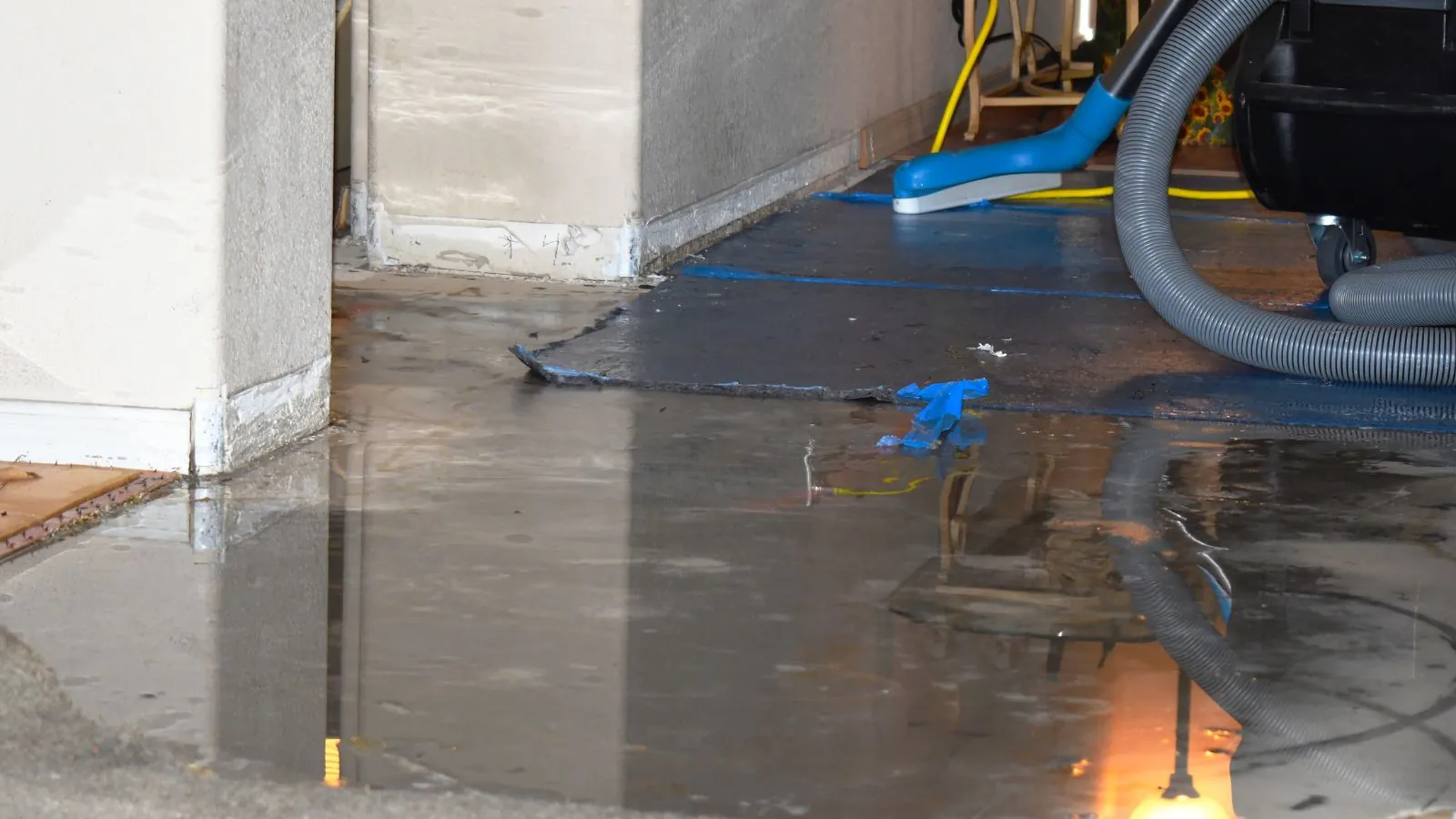
Water mitigation is the work done right after a water loss to stop the damage from spreading. It is the emergency part of the job, and it comes before any rebuilding. If you search for the term after a leak in Wisconsin Rapids, you will find it used by every restoration company, often without much explanation. This guide explains what it covers and why the order matters.
The short version: mitigation means stopping the water, removing what is standing, taking out what cannot be saved and drying the rest. Nothing is painted, hung or replaced yet. That comes later, and the difference matters for your insurance claim and your budget.
What mitigation includes
Industry practice follows the ANSI/IICRC S500 standard for professional water damage restoration. In everyday terms, mitigation has a handful of steps that happen in a fixed order. The crew starts with safety and ends with a dry building. Skipping a step usually creates a second problem a few weeks later, such as a musty smell or lifted flooring.
- 1
Find and stop the source
A closed valve, a repaired line or a covered opening. The source has to stop before cleanup means anything.
- 2
Remove standing water
Pumps and extraction units pull water from floors and carpet. This is the fastest way to limit damage.
- 3
Take out what cannot be dried
Soaked pad, insulation and soft drywall come out. This is called controlled demolition.
- 4
Dry the structure
Air movers and dehumidifiers run, and moisture readings are logged until the building is dry.
What mitigation leaves out
Mitigation is not the rebuild. It does not include new drywall, paint, flooring or cabinets. It does not usually include the plumbing repair either, since a plumber fixes the pipe. The work you see afterward, like new baseboards and fresh paint, belongs to the repair stage. The next section compares the two.
| Question | Mitigation | Repair and rebuild |
|---|---|---|
| When does it happen | Right after the loss | After the building is dry |
| Goal | Stop the damage from growing | Return the space to its earlier condition |
| Typical work | Extraction, removal of wet materials, drying | Drywall, flooring, trim and paint |
| Time pressure | High, hours matter | Lower, planned around the schedule |
Why speed matters so much
Water keeps moving after the leak stops. Drywall and framing absorb it, carpet pad holds it and the air carries it into other rooms. The first day often decides how much material can be dried and how much has to be replaced. Mold can start to grow when materials stay damp for an extended period, which is why drying begins as soon as the standing water is out.
Time also changes the type of water. Clean water from a supply line can degrade as it sits and picks up contaminants from flooring and framing. That moves the loss from a drying job toward a removal job. The categories are explained in more detail on the flood damage cleanup page.
How mitigation shows up in Wisconsin Rapids
Local weather shapes the work. The UW-Madison State Climatology Office reports an average of 33 nights per year at or below 0 degrees Fahrenheit in Wood County, so winter losses from frozen lines are a regular part of the picture. Heavy rain is the other driver, and the office lists a Wood County record of 5.17 inches in one day at Babcock on September 22, 2016.
A restoration crew adjusts for the season. In winter, they keep the building heated and closed so the drying equipment can work. In summer, humid air outdoors means dehumidifiers do more of the work. The same approach applies to a home in Port Edwards, one in Plover or one in Wisconsin Rapids itself.
What you should get in writing
A good mitigation scope is written down before work starts. It names the areas affected, the materials removed and the equipment placed. Moisture readings are logged on each visit, and photographs are taken before and after. Those records are what your insurer will review, and they are what let you compare one company's plan with another. The page on structural drying shows what the monitoring looks like.
Mitigation and your insurance
The Wisconsin Office of the Commissioner of Insurance advises people to limit further damage, photograph everything and keep damaged items until the adjuster agrees. Emergency mitigation is the part your policy expects you to start right away. Check your own policy, because wording differs, and avoid permanent repairs until your insurer approves them.
Sources for the local figures
The cold-night count and the rainfall record come from the UW-Madison State Climatology Office Wood County climate profile. The insurance guidance follows the state insurance office flood damage FAQ.
Sources: Wood County climate profile, Wisconsin OCI: Flood Damage FAQ
Water mitigation questions
Is mitigation the same as restoration?
No. Mitigation is the emergency stage that stops the damage and dries the building. Restoration or repair is the rebuilding that follows.
Can I do mitigation myself?
You can do the first steps, like stopping the source and lifting items off the floor. Drying the structure needs professional equipment and readings.
How long does mitigation last?
It depends on the amount of water and the materials. Drying usually runs for several days, and readings decide when it is done.
Does mitigation include fixing the pipe?
No. A plumber repairs the pipe. Mitigation removes the water and dries what it soaked.
Who in Wisconsin Rapids can start mitigation at night?
Dispatch for this service runs 24 hours a day, every day, and a crew is arranged based on availability and your address.