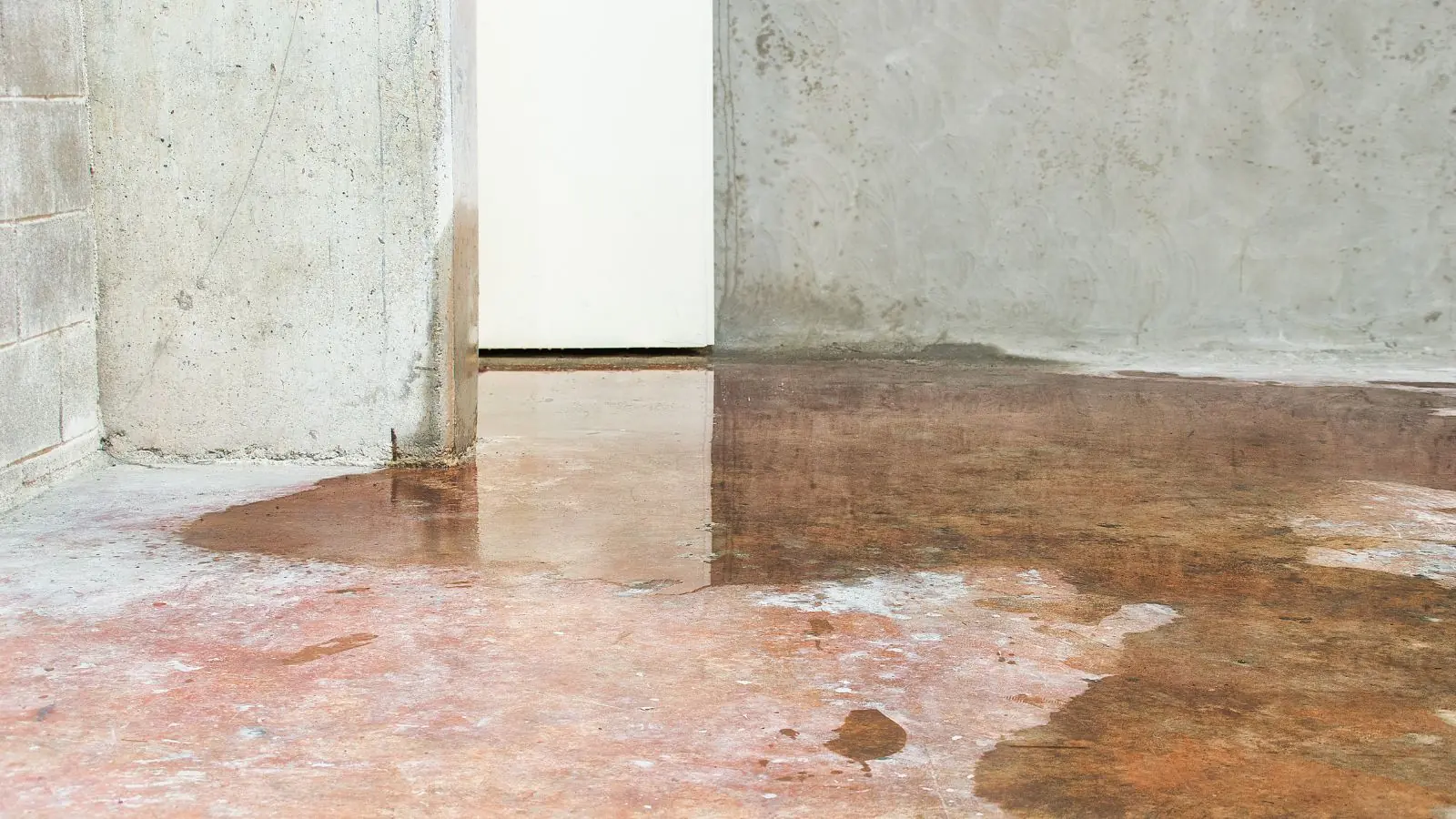
Water damage is stressful, and the first company that answers the phone often gets the job. That is understandable, but a few questions can protect you from a poor fit. The questions below fit into one phone call. Write the answers down, and compare them if you have time to call more than one company.
A good company answers plainly. It does not need to hide the details, because the details are what protect both sides.
Questions about the work
- 1
What will you do on the first visit?
Expect safety checks, moisture mapping, extraction and a written scope.
- 2
How do you decide what is removed?
The answer should refer to water category and moisture readings.
- 3
What equipment will you use and how will you monitor it?
Look for air movers, dehumidifiers and logged readings.
- 4
How will I know when it is dry?
Readings that match a dry standard, shared with you.
Questions about price and paperwork
Ask how the price is built. A reasonable answer names the water category, the area, the materials, the drying time and the rebuild scope. Ask for the scope in writing before work starts and ask whether mitigation and repair are listed separately. A company that cannot explain its pricing in plain words is a risk.
| Question | A clear answer sounds like | A weak answer sounds like |
|---|---|---|
| How is the price built | Factors and a written scope | A single number with no details |
| Will I see the readings | Yes, logged each visit | We will tell you when it is dry |
| Who does the rebuild | Us or another contractor, your choice | Only us, or you lose the drying |
| Can you work with my insurer | We document and share records | Insurance will cover it, do not worry |
Questions about credentials
Ask whether the company is licensed and insured, and ask to see proof of insurance. Licensing rules differ by trade, and in Wisconsin they depend on the work involved. Ask whether technicians have industry training, such as courses based on the ANSI/IICRC S500 standard. Do not accept vague claims. A real answer is a document or a certificate you can verify.
Questions about timing
Ask when someone can be at your door and who will be there. Be wary of any promise that sounds too exact, because traffic, weather and other emergencies affect response. A plain answer, like we will confirm timing when we know where the crew is, is more honest than a fixed number. Ask how to reach the crew after hours.
Winter storms and spring thaws create surges of calls in central Wisconsin. The State Climatology Office reports an average of 33 nights per year at or below 0 degrees Fahrenheit in Wood County, so cold snaps are predictable, and so are the busy days that follow. Ask how the company handles a surge.
Questions about insurance
Ask whether the company will provide photos, readings and an itemized scope for your insurer. Ask whether it will talk to your adjuster. Do not agree to sign over your claim or let anyone negotiate for you without reading what you sign. The Wisconsin Office of the Commissioner of Insurance advises people to limit further damage, photograph everything and avoid permanent repairs until the insurer approves.
Red flags
Walk away or slow down if you hear
- Pressure to sign a contract immediately, with no written scope.
- A promise that insurance will pay everything.
- No stated water category or no moisture readings.
- A demand for the full price in advance.
A local angle
Local knowledge is hard to fake. A company that works around Wisconsin Rapids should know about the river and groundwater in the spring, the freeze season, older housing in places like Port Edwards, and rural wells and septic systems around Vesper. Ask what jobs they have handled in similar buildings. The answer shows whether the crew understands your house.
You can also review the service pages of any company you are considering. Do they explain things like the structural drying process in specifics, or only in slogans?
A short script for the first phone call
You do not need to ask everything at once. Start with three: how will the price be built, will I get the readings, and can you put the scope in writing before work starts. A confident company answers all three in under a minute. If the answers are vague, you have learned what you needed to know and can move on to the next call.
Keep notes of who you spoke to and what they said. If a promise matters to you, ask for it in writing. Clear records protect you and the company, and they help if you later need to explain the work to your insurer.
Sources
The cold-night count is from the UW-Madison State Climatology Office. Insurance advice follows the Wisconsin Office of the Commissioner of Insurance.
Sources: Wood County climate profile, Wisconsin OCI: Flood Damage FAQ
Hiring questions
What should I ask about local conditions in Wisconsin Rapids?
Ask how the company handles frozen lines, spring groundwater near the river and older plaster homes, and which similar jobs the crew has handled.
Should I get more than one quote?
If you have time, yes. For active water, start mitigation first and compare the rebuild.
Is the cheapest company the best choice?
Not necessarily. Compare scope, readings and what is included.
Can I switch companies midway?
You can, but keep the readings and records from the first.
Do I have to use the contractor my insurer suggests?
You can ask your insurer about its rules, and you generally have a say in who works on your home.
What do I ask about permits?
Ask whether the work needs one. The city says permits are required for remodeling or alterations.