The cost of water damage restoration in Wisconsin Rapids depends on what the water touched, not on a standard rate. A fair quote cannot be given from a phone description alone, because the same burst pipe can be a one-room drying job or a whole-floor rebuild. What you can do is understand the factors, so any estimate you receive makes sense.
This article skips dollar figures on purpose. Local prices change with materials, labor and season, and a number printed here would be out of date quickly. What stays stable are the drivers, and those are what a good company will explain to you.
Factor one: the category of water
Clean supply water is the simplest. Grey water from an appliance adds cleaning steps. Sewage and flood water add removal, sanitizing and disposal, and porous materials that touched them are usually thrown away. The category follows the ANSI/IICRC S500 standard, and it should be stated in the estimate. A loss that began as category 1 can become category 2 if it sits, so speed saves money as well as materials.
Factor two: the area and depth
More square footage means more equipment, more labor and more time. Depth matters as well. Water that stood an inch deep reaches baseboards and the bottom of walls, while water that stood for hours can climb into cabinets and framing. Moisture mapping with a meter and thermal camera tells the crew exactly how far the water went, and the estimate should reflect that map.
Factor three: the materials
| Material | Why it affects cost | Typical decision |
|---|---|---|
| Carpet and pad | Pad is cheap to replace, carpet is not | Replace pad, save carpet if the water was clean |
| Drywall and insulation | Soaked board and insulation must come out | Remove and replace the wet portion |
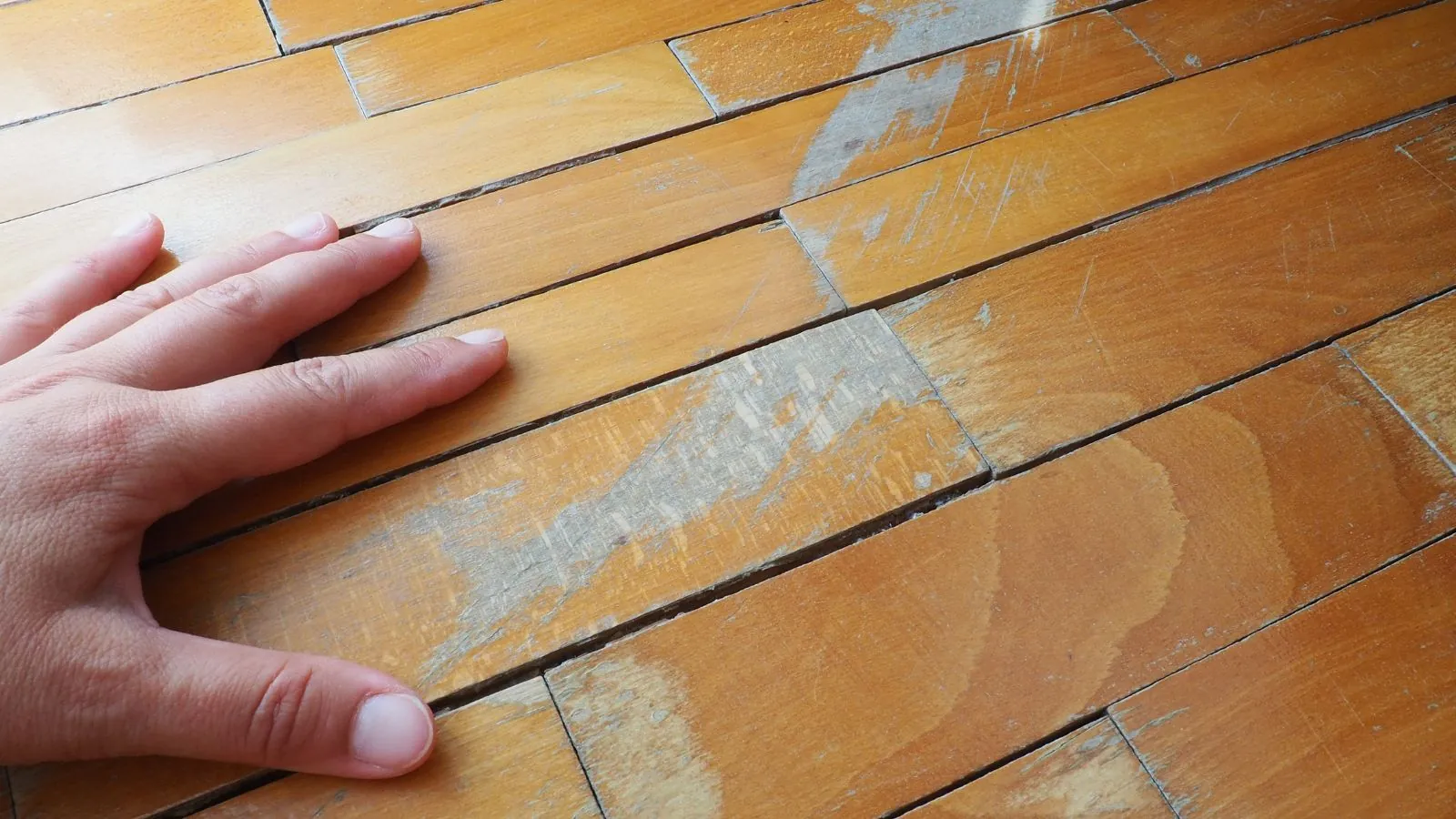
| Hardwood floors | Drying is slow and results vary | Dry, refinish or replace a section |
| Cabinets | Particleboard swells, plywood can dry | Replace swollen bases, dry the rest |
| Concrete and block | Slow to dry, rarely replaced | Dry with dehumidifiers and monitoring |
Factor four: drying time
Drying is billed by equipment and days, plus monitoring visits. A small loss in a dry, warm house needs fewer machines than a wet basement in July. The number of days depends on readings. If a company quotes a flat price without referring to readings, ask how they decide when the equipment can come out.
Factor five: the rebuild scope
The rebuild is priced separately from the emergency work. It includes new drywall, texture, paint, flooring, trim and sometimes cabinets. This part is often the largest, and it is also the part where you have the most choice. You can use another contractor for the rebuild, as long as the drying records are kept. The wall and drywall page describes a typical repair in more detail.
What does not change the price much
A long list of small things looks important but changes the final figure only a little. The time of day usually matters less than people expect, since emergency dispatch is built around the 24/7 reality of water losses. Brand names of equipment and the number of photographs are not price drivers either. The decisive items are the five above.
How to compare two quotes
- 1
Check the water category
Both quotes should state the same category for the same loss.
- 2
Compare quantities
Look at the area of removal, the equipment count and the days.
- 3
Separate mitigation from repair
Make sure you are comparing the same stage.
- 4
Ask about readings
A quote tied to readings is more reliable than a lump sum.
Insurance and who pays
Your policy decides what it covers, and the cause of the loss matters. The Wisconsin Office of the Commissioner of Insurance explains that water coming from above, like a burst supply line, is generally covered by a standard homeowners policy, while water coming from below usually needs flood coverage. Sewer backup needs an endorsement. Before you decide how to pay, check your policy and call your agent.
Deductibles affect the decision as well. If the loss is close to your deductible, you may weigh a claim against paying directly. The next steps in that choice depend on your policy and your history, and your agent can explain how a claim would affect your coverage.
Local factors in Wisconsin Rapids
Cold weather and heavy rain drive many local losses. The State Climatology Office reports 33 nights per year at or below 0 degrees Fahrenheit in Wood County, so frozen-line losses are common and can involve multiple floors. A freeze loss in Vesper or the city may need heated drying in winter, which can lengthen the job. The frozen pipe page covers that.
Older homes can add cost because plaster, old framing and layered paint dry slowly and may need lead or asbestos testing before cutting. Rural addresses like Rudolph can change crew planning. The crew explains each of these in the written scope.
Sources
Insurance guidance follows the Wisconsin Office of the Commissioner of Insurance. Climate figures come from the UW-Madison State Climatology Office.
Sources: Wisconsin OCI: Flood Damage FAQ, Wood County climate profile
Cost questions
Do local conditions in Wisconsin Rapids change the price?
They can. Freeze losses may need heated drying, older homes can need testing before cutting, and rural addresses can affect crew planning. The crew explains each factor in the written scope.
Can you give a price over the phone?
A range cannot be honest without seeing the loss. Dispatch explains the factors and the scope, and the on-site assessment sets the number.
Why do two quotes for the same flood differ?
Different assumptions about water category, removal depth or drying time. Compare quantities line by line.
Is the emergency work or the rebuild more expensive?
It varies. For small losses the emergency work is larger. For bigger ones the rebuild often dominates.
Can I negotiate a quote?
You can ask about scope and quantities. Cutting drying short to save money often leads to more repair later.
Does insurance pay a company directly?
Sometimes. Ask your insurer about direct payment and the documents it requires.