How long water damage takes to dry depends on the amount of water, the materials it soaked and the conditions in the building. For a typical room with clean water caught quickly, drying commonly takes several days. For dense materials like hardwood, plaster or concrete, it can take longer. The end point is a reading, not a date on the calendar.
This guide explains the timeline, what changes it and how to know when the building is actually dry. It helps you ask the right questions and avoid an early end to the equipment.
Typical drying times by material
These ranges are general, and the crew confirms them with a meter. They assume the source has been stopped and the standing water removed. Materials that cannot be dried in time are removed, which is why timelines can change after the first visit.
| Material | General drying pattern | What slows it |
|---|---|---|
| Carpet | Dries within a few days with extraction and airflow | Wet pad, contaminated water |
| Drywall | A few days if firm and not soaked through | Insulation behind it, paint layers |
| Hardwood | Longer, drawn out through drying mats and controlled airflow | Thick boards and a wet subfloor |
| Concrete and block | Slowest, can take much longer | Mass, humidity, closed spaces |
| Plaster and framing | Longer than drywall | Thickness and old paint |
The five things that set the timeline
- 1
How fast the water came out
Extraction in the first hours saves days of drying.
- 2
The amount and depth of water
More water in more material means more to remove.
- 3
The materials
Dense, thick and layered materials hold moisture longer.
- 4
The air
Dry, warm air dries faster than cool, humid air.
- 5
The equipment
The right number of air movers and dehumidifiers matters.
The ANSI/IICRC S500 standard guides how crews set and adjust equipment. A common approach is to take a dry reading of the same material in an unaffected room and use that as the target. When the damaged material matches the target, it is dry.
How readings decide the finish
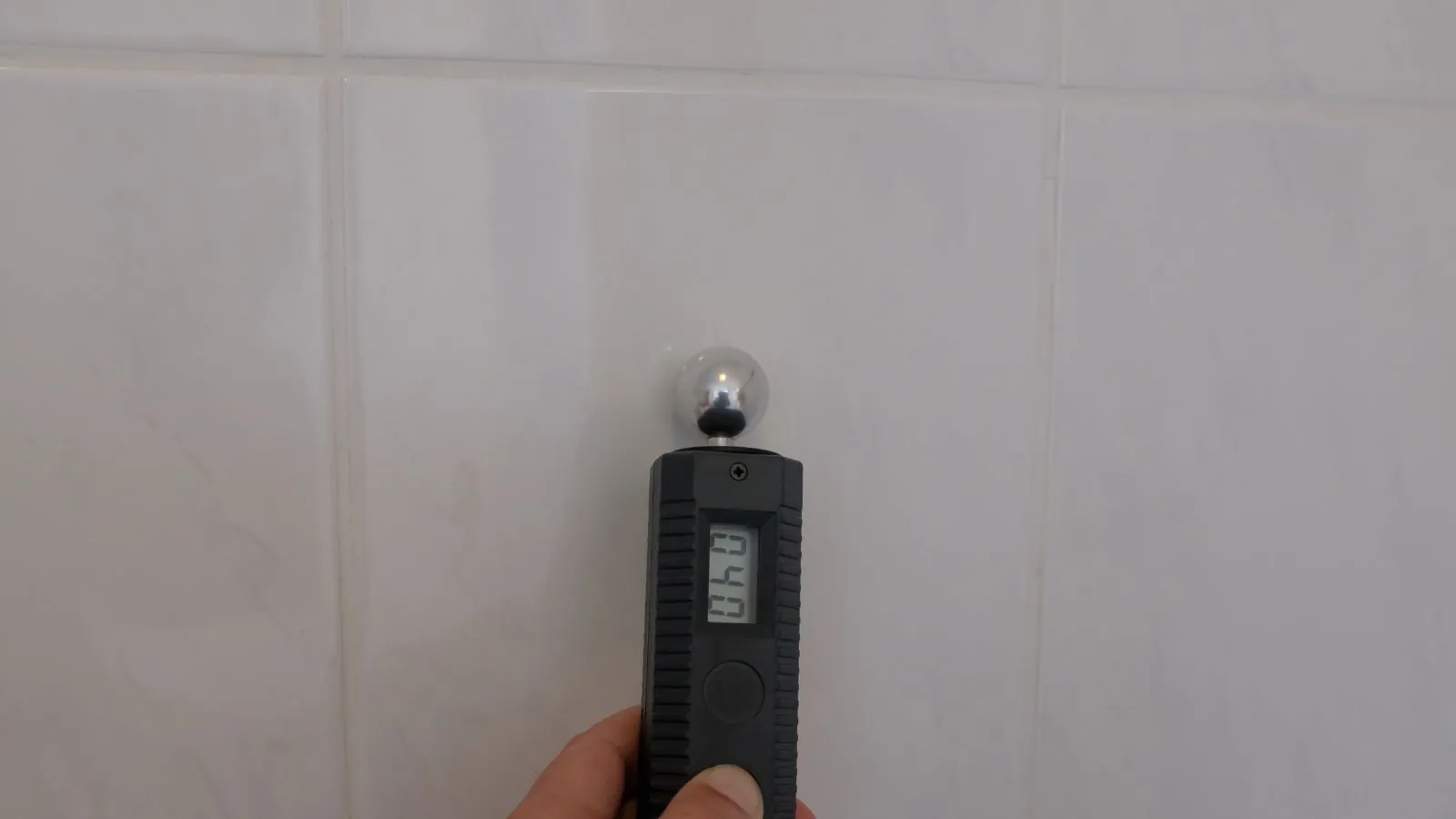
A moisture meter measures the water content in wood, drywall and concrete. A thermal camera shows cool, wet areas behind surfaces. The crew checks them on each visit and records the numbers. When the readings match the dry standard, the equipment comes out. If anyone proposes removing it earlier because the surface feels dry, ask for the readings first.
Equipment placed in the wrong spot dries slowly. A good crew moves it as areas dry. The structural drying page describes how that monitoring works day to day.
How Wisconsin Rapids weather changes drying
Season matters here. The State Climatology Office reports roughly 33 nights per year at or below 0 degrees Fahrenheit in Wood County. In winter the air outdoors holds little moisture, but the building has to stay closed and heated for the equipment to work. Heated indoor air can be dry, which helps, but cold structures hold moisture longer.
In summer the problem flips. Humid outside air slows drying, so dehumidifiers do most of the work and windows stay shut. A basement in July can take longer than one in January because the ground and the air bring moisture in. The basement page covers this in more detail.
Why a floor may need longer
Hardwood is the usual slow case. It is dried gradually so the boards do not crack, and the subfloor must reach normal too. The hardwood page explains the process. Concrete slabs are slow because of mass. In both cases, patience prevents a second repair.
Homes in older parts of Port Edwards, Nekoosa or Wisconsin Rapids may have thick plaster, old framing and layered paint, and those add time. Tell the crew the age of the house.
What to ask during the job
Ask for the readings at each visit and ask what the target is. A crew that tracks progress can tell you which rooms are done, which need more time and why. If the timeline stretches, there should be a reason you can see, like a wet wall cavity found late or a concrete slab drying more slowly than expected.
Signs the drying is finished
- Moisture readings in the affected materials match the dry standard for that material.
- Humidity in the room has returned to a normal range.
- There is no musty smell, and surfaces do not feel cool or damp.
- The crew has removed the equipment and given you the final readings.
If a smell returns after the equipment is gone, tell the company. It can mean a cavity was missed, and it is far easier to fix early than after new drywall and paint are in place.
Source
The cold-night count comes from the UW-Madison State Climatology Office Wood County climate profile. Drying approach follows the ANSI/IICRC S500 standard.
Sources: Wood County climate profile
Drying time questions
Does a Wisconsin Rapids winter slow drying?
Cold structures hold moisture longer, and the building has to stay closed and heated for equipment to work. Summer humidity slows drying in a different way, so crews adjust the equipment to the season.
Can I speed up drying with fans?
A fan helps surface drying. The wall cavity, subfloor and framing need controlled airflow and dehumidification.
Why is the equipment still running?
Because readings are not yet at the dry standard. Ask to see them.
Is a musty smell a sign it is not dry?
Often yes. It suggests moisture remains in a material or cavity.
How long before I can rebuild?
After readings are normal. Rebuilding earlier can trap moisture.
Does a larger loss always take longer?
Usually, but materials and conditions matter as much as the amount of water.